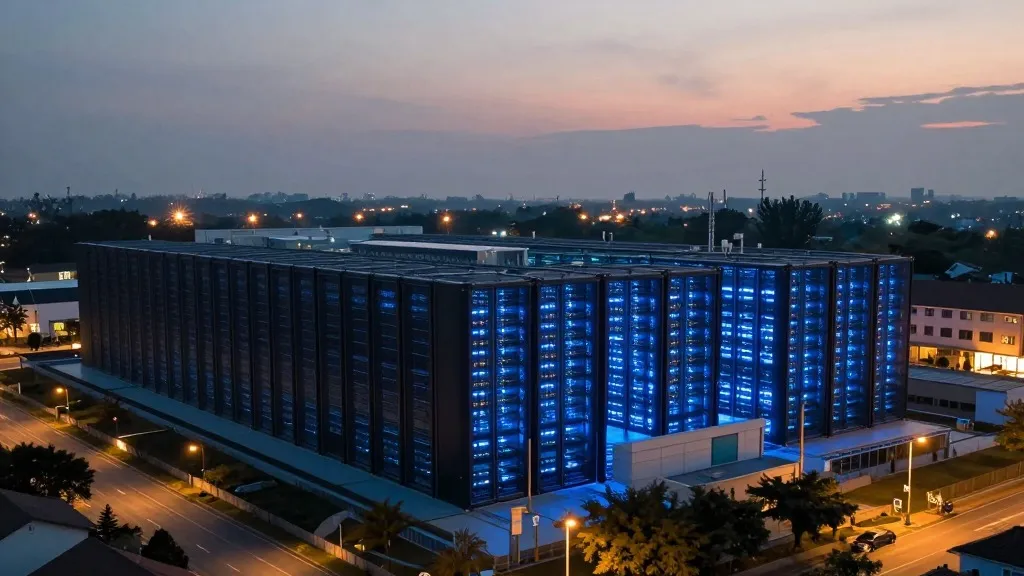
Northern Virginia Land Use: Amazon Withdraws Data Center Proposal
Following community resistance, the tech giant will convert a former university campus in Loudoun County into residential and mixed-use developments instead of server farms.
By Rebecca Dawson ·
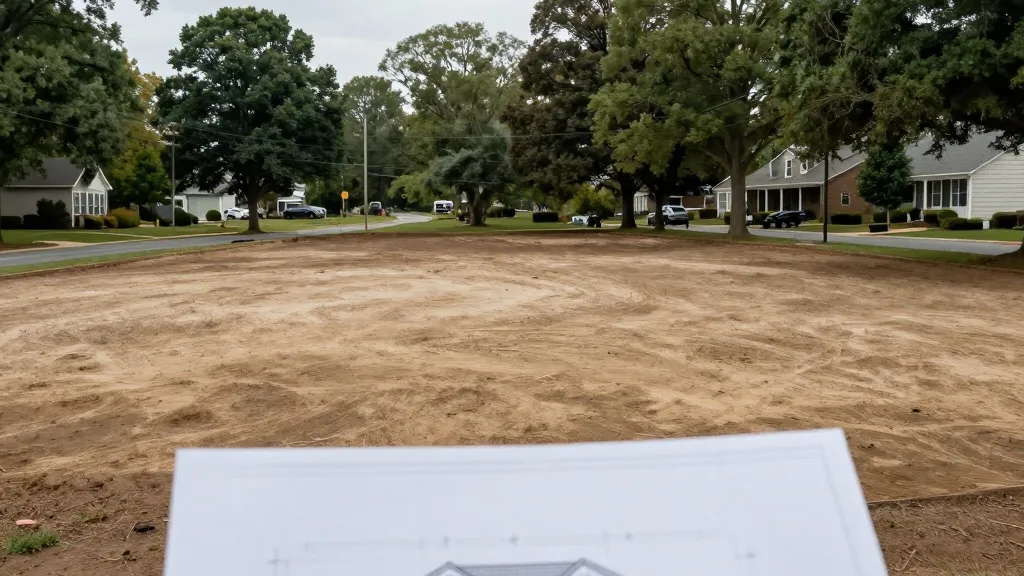
Residents of Loudoun County, situated just outside Washington, D.C., will see a significant shift in the landscape surrounding the former George Washington University campus. Instead of the construction of four new data centers, which had been planned for the site, the majority of the land will be developed for mixed-use and residential purposes. This change directly impacts the local housing market and community spaces, as the property will now contribute to new housing stock and public amenities rather than industrial infrastructure.
The property in question spans 122 acres. Under the new agreement, Amazon will repurpose the majority of this area for mixed-use and residential development. Additionally, the company has agreed to donate 25 acres of the land to Loudoun County. This donated portion is designated for the construction of a community arts center and a new recreational facility. Furthermore, Amazon will contribute $5 million to the county’s housing fund, a financial measure aimed at supporting local residential development.
The decision marks a notable reversal for Amazon, which had initially submitted its proposal to build the four facilities in July of this year. The county, often referred to as "Data Center Alley" due to its high concentration of server farms, has seen a shift in its approach to new buildouts. This change was driven by resident concerns regarding the noise generated by data centers and the substantial power requirements they impose on the local grid. These factors have led to increased scrutiny of new industrial projects in the region.
Key figures in the negotiation include Phyllis J. Randall, the Chair of the Loudoun County Board of Supervisors, and Josh Weissman, Amazon’s vice president responsible for data center development. Randall and representatives from Amazon met in September, where the county suggested that an alternative use for the land might be more suitable. Weissman noted that while the company had been eager to purchase the former university campus when the opportunity arose, they took into account the county’s specific concerns regarding the site.
In explaining the decision, Weissman stated that although Amazon viewed the legal development potential of the property differently than the county, they concluded that a shared vision was preferable to litigation. He emphasized that coming together on a plan for the campus was the best outcome for all parties involved. The company acknowledged the pointed concerns raised by local authorities about data center development at this particular location, leading to the final agreement.
The broader context for this decision involves the growing demand for data centers driven by the expansion of artificial intelligence and cloud-based services. While these facilities are necessary for modern digital infrastructure, their expansion has faced opposition from local communities worried about impacts such as rising electricity prices and resource consumption. The recent surge in AI use has increased the need for larger and more powerful facilities, intensifying the debate over where and how they should be built.
County officials have framed the agreement as a successful example of collaborative problem-solving. In a statement, Randall highlighted that choosing dialogue over disagreement created an opportunity for the county. She noted that the agreement provides residents with new places to gather, create, and play. For Randall, the most important aspect of the deal is the provision of more attainable homes for working families, addressing a critical need in the local housing market.
The stakes extend beyond the immediate construction site, touching on regional energy capacity and community quality of life. With the power grid in Northern Virginia facing capacity limits, the decision to forgo new data centers on this specific plot alleviates some pressure on local energy infrastructure. The repurposing of the land for residential and mixed-use development aims to balance the region’s technological growth with the living needs of its population, potentially setting a precedent for how future land use conflicts in the area are resolved.
This outcome reflects a broader trend in how local governments are negotiating with tech giants over land use. By securing donations of land and financial contributions for housing and recreation, Loudoun County has extracted tangible benefits from the process. The transition from industrial server farms to community-focused development represents a compromise that addresses both the corporate need for real estate and the public’s desire for livable spaces and affordable housing.
Source: Tom's Hardware